

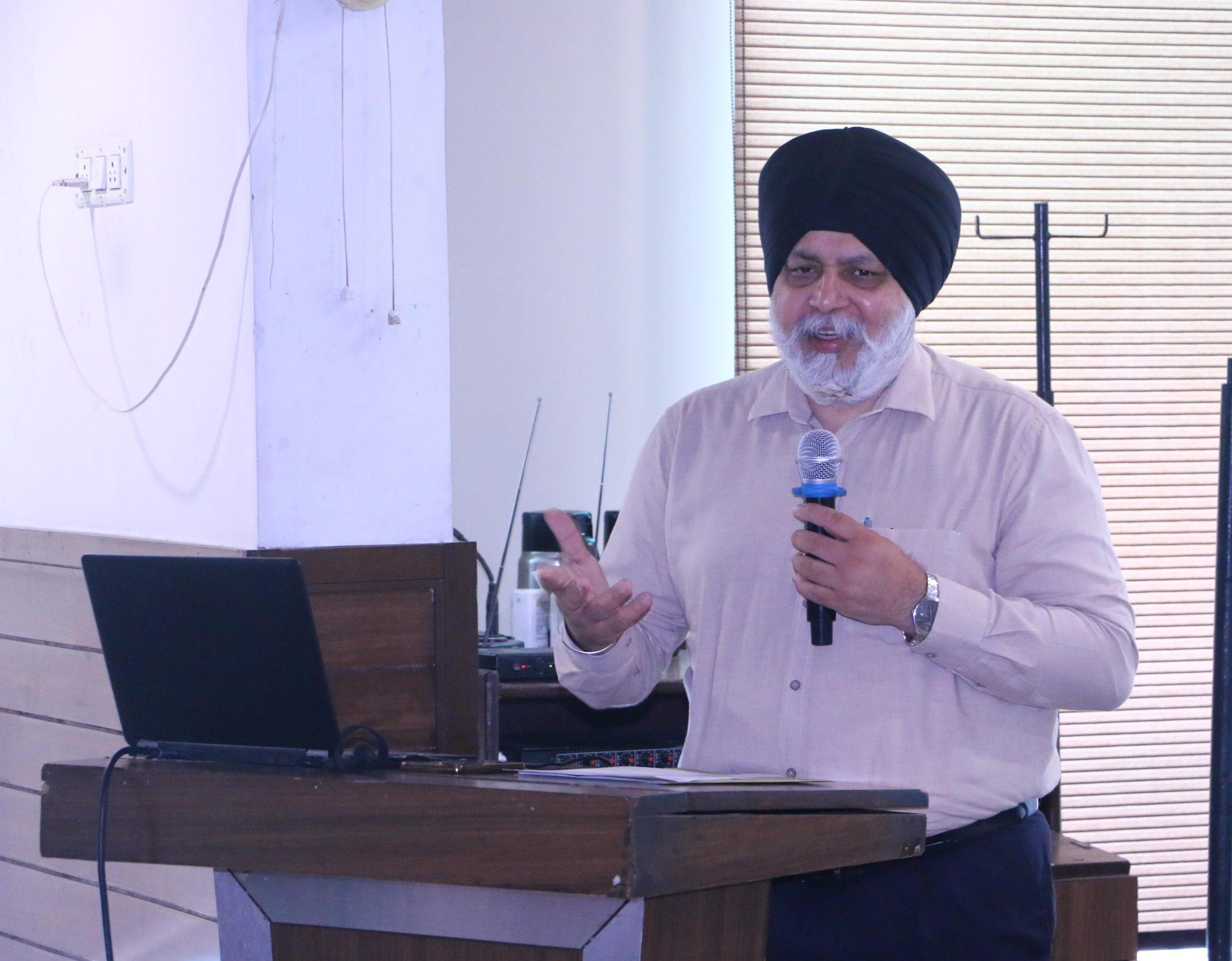
-June 10, 2025 | Chandigarh: A focused media workshop on heatwaves and agriculture was held today at the Chandigarh Press Club, convening over 50 journalists, agricultural scientists, and climate experts to deepen understanding of the growing impact of extreme heat and uneven rainfall on Punjab’s agriculture.
The initiative, supported by leading government institutions Punjab State Council for Science & Technology and Clean Air Punjab, aimed to equip journalists with scientific knowledge, climate data tools, and reporting strategies to cover the state’s emerging climate challenges with accuracy and responsibility.
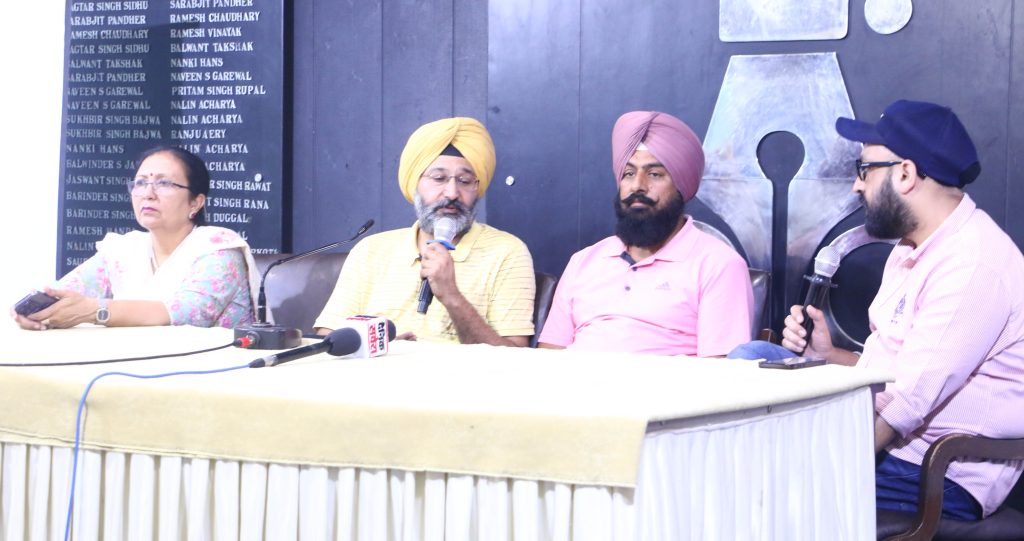
While welcoming the speakers at the workshop, Saurabh Duggal, senior journalist and president of the Chandigarh Press Club, said, “On behalf of the Chandigarh Press Club, I warmly welcome all our esteemed speakers, guests, and members. Today’s discussion about the impact of heatwaves and uneven rainfall on agriculture is both timely and crucial. As climate extremes grow, so do the challenges faced by our farmers. For journalists, this issue isn’t just about weather—it’s about food security, livelihoods, and policy. Let us use this platform to spotlight these urgent realities with responsibility and depth.”
Er. Pritpal Singh, Executive Director, Punjab State Council for Science & Technology, said, “As Punjab confronts climate disruptions, it is essential that our media partners are equipped to report these issues with clarity and depth. Science-based journalism can help the public and policymakers make informed decisions in this time for inclusive climate action.”
“Heatwaves are no longer anomalies—they’re becoming the norm. These extreme events are already damaging crops, accelerating soil moisture loss, and putting farmers under significant stress,” said Dr. P.S. Kingra, Professor and Head, Department of Agricultural Meteorology, Punjab Agricultural University (PAU). “The media has a vital role in translating this reality into public understanding and policy discourse.”
Dr. Prabhjyot Kaur, Principal Scientist at PAU, underscored the urgency of data-informed reporting. “We are seeing a clear increase in temperature extremes and erratic rainfall affecting our traditional cropping cycles. A workshop like this bridges the gap between science and storytelling so that journalists can convey the scale and urgency of the challenge.”
Ikhhlaq Singh Aujla, Senior Assistant Editor, The Times of India, said, “It is critical for journalists covering agriculture to look at the changing weather patterns like heat waves and higher temperatures and their impact on crops and output both in the short and long term. Heat waves can reduce farm output, which in turn threatens food security.”
